By end of January 2026, the Parliament ratified the Budget 2026, amounting to LBP 538,415 billion (around USD 6 billion). The budget’s size mirrored the state of the country, operating at a fraction of its former capacity and still grappling with financial collapse and weakened institutions.
The budget had set a target of a “zero deficit”, signaling fiscal discipline to international lenders. Investment in infrastructure or long-term development remained limited. It was essentially a stabilization budget, designed to resume key functions of the state while Lebanon negotiated aid and reforms.
However, the renewed conflict that erupted in early March brought in a new shock with sizable repercussions on the state’s fragile fiscal equilibrium. The conflict has caused a sharp fall in revenues - especially from VAT, customs, and tourism - while forcing new emergency expenditures, as the country deals with over 1.2 million internally displaced people. At the same time, the broader economic disruption is shrinking the tax base, undermining the roughly $6 billion revenue target and making the balanced-budget goal unrealistic. Combined, these shocks are expected to push the budget into deficit—likely on the order of 1–2% of GDP—turning what was already a minimal “stabilization budget” into a heavily strained crisis budget dependent on external aid, that in turn remains dependent on reforms.
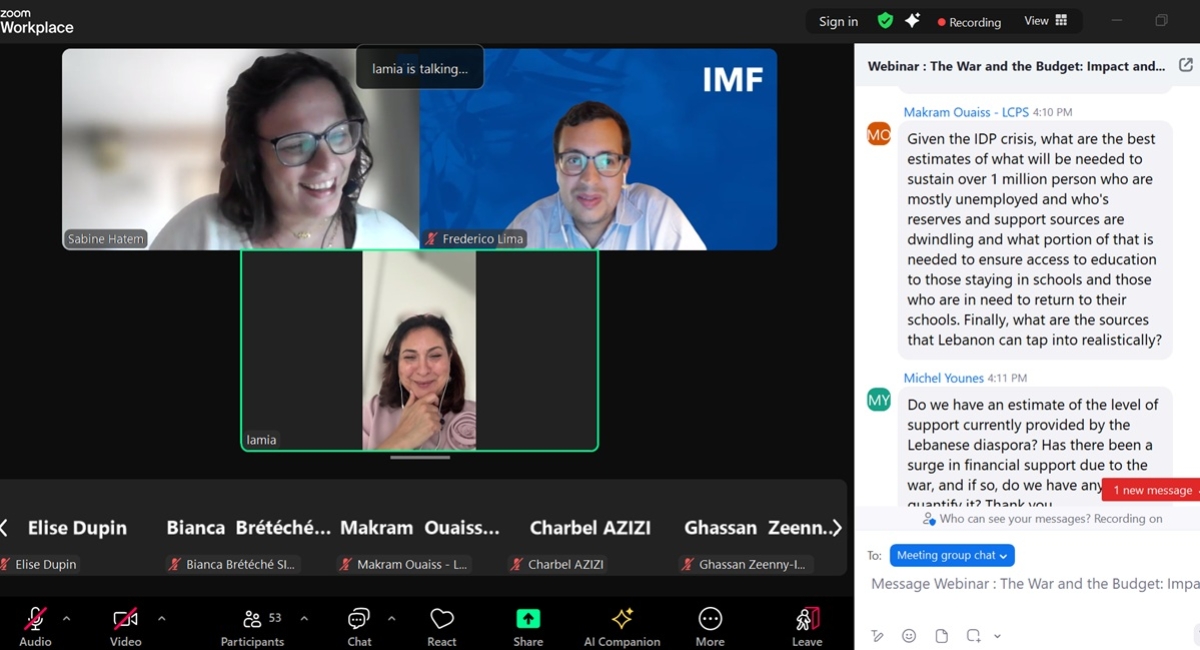
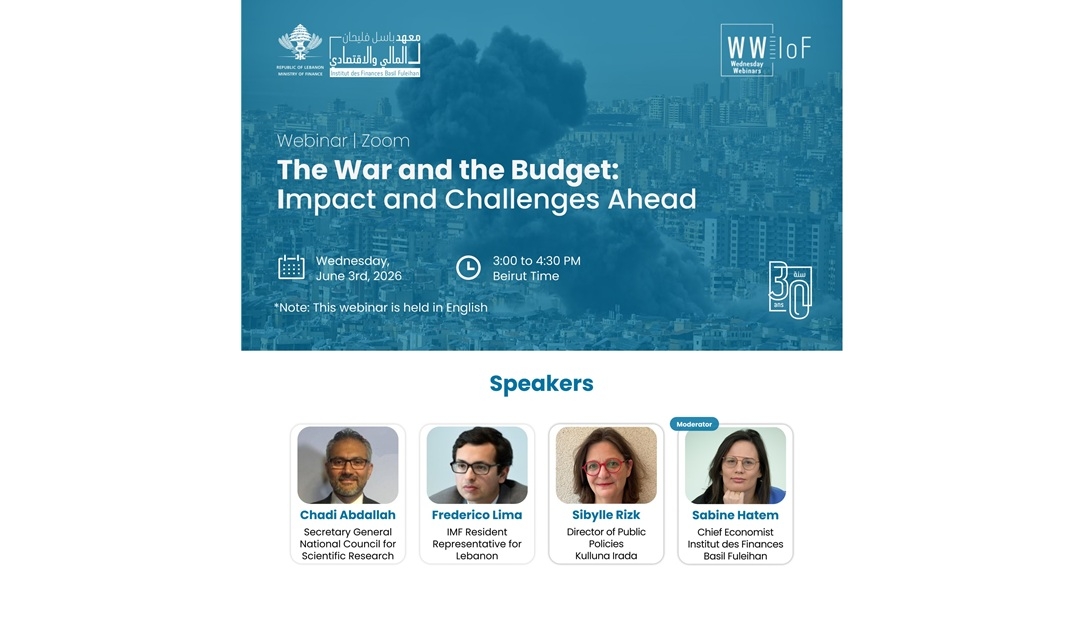
Although no official data has been yet released, this webinar discussed and analyzed with a panel of experts, the estimated impact of the war on the Budget 2026, macroeconomic implications, and reconstruction needs as well as the mitigating measures the Government of Lebanon could put in place within its current fiscal resources.
You can watch the recording available on this page!